
Article
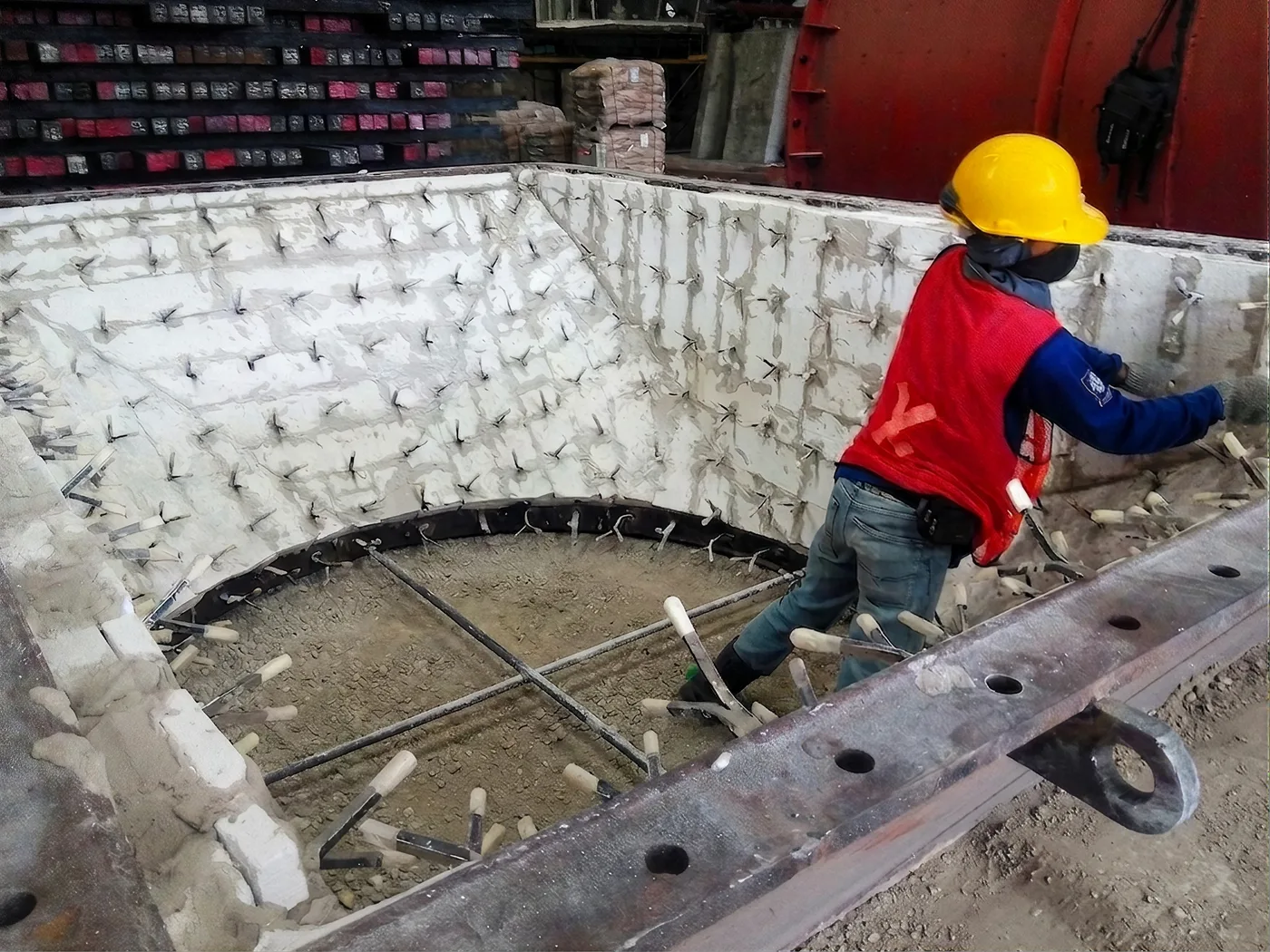
A refractory castable lining protects furnaces and heating chambers from extreme heat. When this lining cracks sooner than it should, heat leaks, fuel is wasted, and production stops for repairs. Most early cracking is not because the material is poor, but because of faulty installation and curing. Here are the main causes and how to prevent them.
Why a Lining Can Crack Early
The most common cause is the wrong water ratio. Excess water makes castable easy to work, but lowers strength and leaves voids as it dries. Those voids later become the starting points of cracks when the lining takes on heat.
The second cause is uneven compaction. Areas that are not dense trap air and hold heat unevenly. When one side expands faster than another, stress builds up and the lining breaks.
Most early cracking can be prevented with the right water ratio, even compaction, and gradual drying.
Gradual Drying and Heating
Freshly placed castable holds water within it. If heated high straight away, that water turns to steam quickly and its pressure pushes the lining from inside until it cracks or spalls. Initial drying at low temperature gives the water time to escape safely.
Once dry, heating is raised gradually on a schedule, not straight to working temperature. A slow rise lets the whole lining expand together so stress stays controlled. Skipping this stage is one of the most common and most preventable causes of failure.
Installation Done Correctly
Refractory installation demands the right water ratio, even compaction, and a disciplined drying schedule. All three matter equally, and neglecting even one is enough to shorten the lining life drastically. Field experience shapes the outcome as much as material quality does.
PT Sumber Karya Baja Utama installs and repairs fire-resistant linings on furnaces and heating chambers with controlled procedures. Contact our team to discuss your furnace needs from the planning stage.